
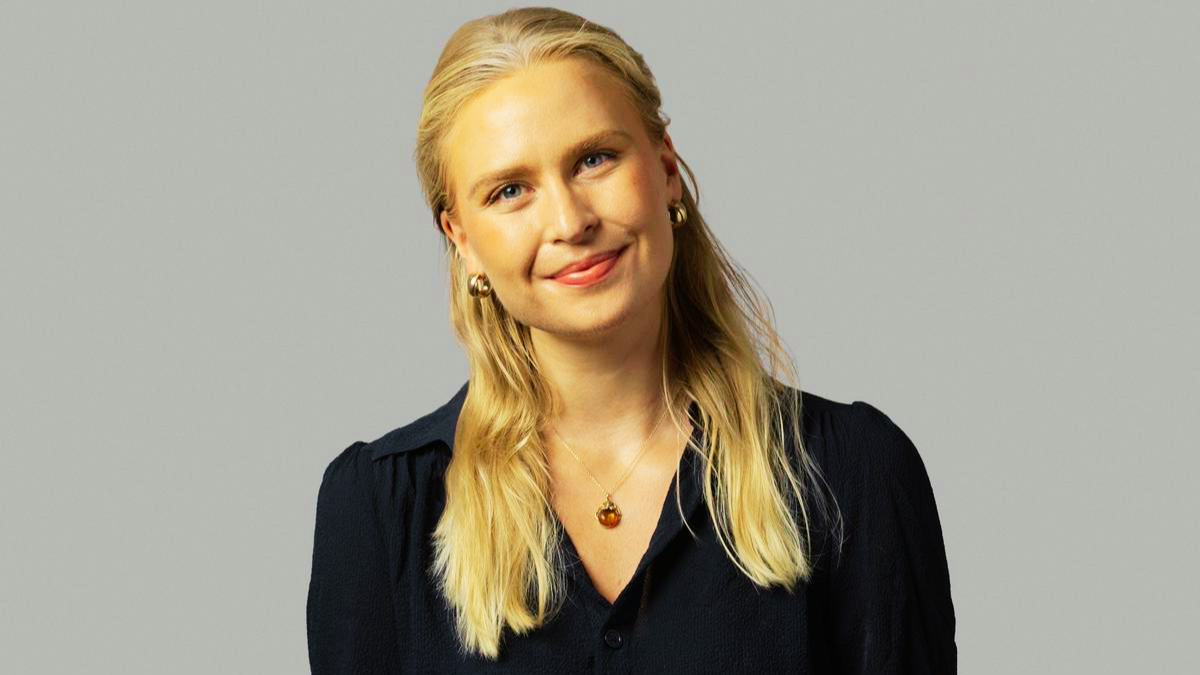
Wondering about Tone Langengen nationality? This guide covers what is publicly known about her Norwegian identity, her UK career, and how to verify facts about public figures.
Introduction: Why Tone Langengen’s Nationality Matters to Searchers
When a name starts appearing in policy debates, conference programmes and op-eds, readers naturally want to know who is behind it. Searches for Tone Langengen nationality are a good example. People who read her commentary on net-zero policy, nuclear power or heat pumps often wonder where she is from, what perspective she brings and how her background shapes her views.
The topic matters for three reasons. First, nationality and background help readers place an expert’s arguments in context. Second, the internet is full of thin, auto-generated pages that mix up people with similar names, so a careful guide helps separate verified facts from guesswork. Third, many related searches, such as Tone Langengen husband, wife, wedding pictures and children, touch on private life, and a responsible article should explain what can and cannot be said about a person who is a professional voice rather than a celebrity.
This guide sticks to what is documented in public sources, flags what is not, and gives you practical methods for checking claims yourself. Where no reliable information exists, it says so plainly rather than filling the gap with speculation.
Who Is Tone Langengen?
Tone Langengen is a climate and energy policy professional based in London. According to the profile on the Tony Blair Institute for Global Change (TBI), she serves as Director of Climate & Energy Policy and is described as an expert in net-zero policy and strategy. Earlier profiles on other platforms described her as a senior policy adviser at the same institute, which suggests a progression in her role over time.
Her public work centres on practical policy solutions to climate change. She has contributed analysis on the UK’s path to decarbonised electricity, on firm and reliable power, and on how regulatory change could unlock investment in new nuclear energy. Her social media profile lists net-zero policy as her focus and notes that her views are her own.
A Quick Snapshot
- Name: Tone Langengen
- Field: Climate and energy policy, net-zero strategy
- Current affiliation (per public profiles): Tony Blair Institute for Global Change
- Base: London, England
- Self-described national identity: Norwegian
This snapshot is deliberately modest. It reflects what she and her employer have published, not rumours.
What Is Tone Langengen Nationality?
The short answer to the question behind the keyword Tone Langengen nationality is that she identifies as Norwegian. In a public post on X discussing heat pumps, she wrote that, speaking as a Norwegian, she could confirm that heat pumps work at scale and that a majority of Norwegians are not cold. That is a first-person statement, which makes it the strongest piece of evidence available publicly.
The name itself is consistent with this. Tone is a common Norwegian given name, and Langengen has a Scandinavian ring. Still, a name alone never proves nationality, so it should be treated as supporting context rather than proof.
What the Evidence Does Not Tell Us
No reliable public source we found states her formal citizenship status. She lives and works in the United Kingdom, and many professionals in her position hold a single nationality, while others hold dual citizenship or have settled status. Her self-description as Norwegian tells us about identity and origin, but it does not confirm whether she also holds, or has applied for, another nationality. If you need a definitive legal answer, only official records or her own statement can provide it.
Where the Norwegian Identity Comes From: Reading the Sources
Every claim about a person’s nationality should be traceable to a source, and ranking those sources helps.
Primary Sources
Primary sources come from the person herself. Her own post identifying as Norwegian is the clearest example. A biography on her employer’s website is another, although the TBI page focuses on her expertise and does not list nationality.
Secondary Sources
Secondary sources include author pages at publications and think tanks. Pages at British Progress and Eco-Business describe her role and professional history but, in the material we reviewed, do not discuss citizenship. They are useful for confirming her career rather than her nationality.
Low-Quality Sources
Some auto-generated websites publish articles that describe a “Tone Langengen” as a rising Norwegian folk and jazz musician. This conflicts with every authoritative profile we found, which consistently shows a policy professional, and the text has the hallmarks of content-farm writing: vague praise, no dates, no named albums and no verifiable sources. Treat such pages with strong caution. They may be attaching a real name to invented details.
Nationality vs. Citizenship vs. Ethnicity vs. Residence
Part of the confusion around searches like this comes from using four different ideas as if they were one.
Nationality and Citizenship
In everyday English, nationality usually means the country a person belongs to or identifies with. Legally, citizenship is a formal status granted by a state. A person can feel Norwegian, hold a Norwegian passport and live in Britain without any contradiction.
Ethnicity and Heritage
Ethnicity describes cultural or ancestral background. It is not the same as nationality, and it should never be assumed from a surname.
Residence
Residence is simply where someone lives. Living in London does not make someone British, just as living in Oslo would not make someone Norwegian.
Practical Example
Imagine an energy analyst who grew up in Bergen, studied in Edinburgh and now works in London. She would describe herself as Norwegian, hold residence rights in the UK, and perhaps have a mixed cultural heritage. A headline reading “British policy expert” would be misleading, while “Norwegian-born policy expert based in London” would be accurate. Precision matters.
Tone Langengen’s Career: Why Her Background Draws Interest
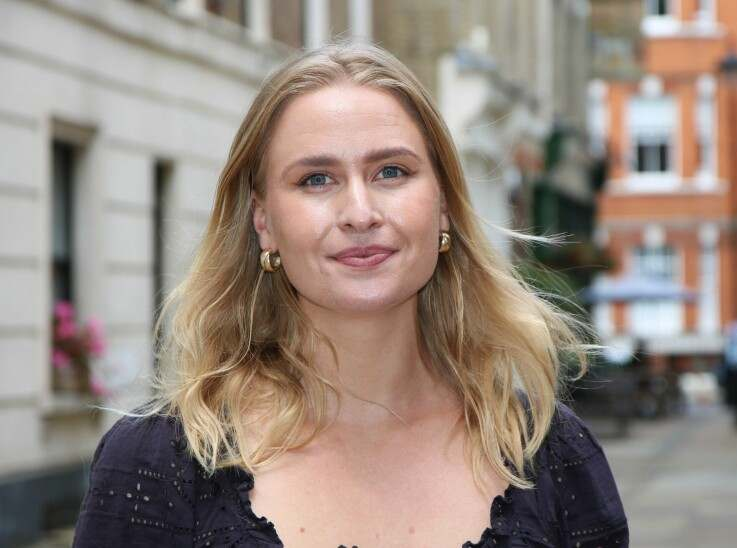
Understanding her career explains why people search for her at all.
Time in the UK Civil Service
According to her author biography at British Progress, she previously worked in the UK civil service on net-zero policy areas, including heat and transport decarbonisation and green growth. She also worked in the Cabinet Office, where she helped deliver the government’s response to the Covid-19 pandemic.
Work at the Tony Blair Institute
At TBI, her profile credits her with helping develop the net-zero policy programme at the institute’s 2023 Future of Britain Conference and with showing political leaders how technology and data can improve delivery outcomes. She has published dozens of insights on the institute’s site.
Public Commentary
She also comments publicly on industrial and energy issues. For instance, she has discussed the collapse of the battery company Britishvolt and argued that the government’s ambitious electric vehicle targets needed a stronger industrial strategy behind them.
A Norwegian perspective is relevant to this work. Norway is widely discussed in energy debates for its high electric vehicle adoption, its heat pump uptake and its hydropower-heavy electricity system, so readers often connect her background to her policy interests. That connection is an inference, though, not something she has formally said shapes her work.
Tone Langengen Wikipedia: Is There a Page?
Many readers search for a Wikipedia entry as a quick route to a bio. In the searches we ran, we did not find a Wikipedia article about Tone Langengen. Results for similar names, such as other Norwegian women named Tone who are politicians, trade unionists or artists, are separate people and should not be confused with her.
Why She May Not Have a Page
Wikipedia requires significant coverage in independent, reliable sources. Many respected policy experts have strong professional profiles but not enough third-party biographical coverage to meet that standard. Absence of a page is not a sign of anything unusual.
Better Alternatives
If you want a dependable biography, use her institutional profile at the Tony Blair Institute, her author pages on the publications where she writes, and her verified social media account. These are more current than a crowd-edited encyclopaedia would be.
Tone Langengen University: What Is and Is Not Public
Queries about her university reflect curiosity about her expertise. In the sources we reviewed, her educational background is not described in detail. Her profiles emphasise her work experience in government and policy rather than listing degrees or institutions.
What to Avoid
Do not rely on websites that name a specific university without citing a source. Education details are exactly the kind of fact that low-quality pages invent or copy from the wrong person.
How to Find Out
- Check whether her professional profile, such as a LinkedIn page, lists education.
- Look for conference speaker biographies, which sometimes include degrees.
- Check author notes on longer reports she has written.
If none of these confirm a university, the honest conclusion is that it is not publicly documented.
Tone Langengen Husband, Wife, Wedding Pictures and Children: Respecting Privacy
Several related searches concern marriage, partners, wedding photographs and children. These deserve a clear and honest answer.
What We Found
We found no reliable public information about her marital status, partner, wedding or children. Her public presence is professional: policy papers, conference appearances and commentary on energy and climate.
Why That Matters
A person who publishes expert analysis has not invited public scrutiny of her family. Pages claiming to show wedding pictures, a husband or a wife, or details about children should be treated as unreliable at best and invasive at worst. Some are clickbait designed to harvest traffic, and others may attach photos of unrelated people to a real name.
A Better Approach for Content Creators
If you are writing about a professional figure, build your piece around public work. A useful rule is to ask whether a detail is relevant to the person’s public role and whether she herself has shared it. If the answer to either question is no, leave it out. This protects the subject, protects your credibility and also tends to rank better over time, because search engines increasingly reward accurate, helpful content over speculation.
How to Fact-Check Nationality Claims About Any Public Figure
The same methods used here apply to any person you research. Here are practical steps with examples.
Step 1: Start With the Person’s Own Words
Look for interviews, social posts and speaker biographies. In this case, her own statement about being Norwegian carries more weight than any third-party guess.
Step 2: Check Institutional Biographies
Employers and publishers often confirm roles, though they may omit nationality. Use them to verify the career timeline and then cross-check.
Step 3: Separate Name Matches From Identity Matches
A unique name is helpful, but always confirm the match through a second detail, such as employer, location or subject area. For example, a page praising a musician with the same name does not match the London policy profile, and the details do not line up.
Step 4: Look for Dates and Named Sources
Reliable pages mention dates, organisations and verifiable outputs. Content-farm pages tend to be vague and undated.
Step 5: Label Uncertainty
If you cannot confirm something, write that it is not publicly documented. For instance, “She identifies as Norwegian; her formal citizenship status is not publicly stated” is accurate, whereas “She is a Norwegian citizen” would overstate the evidence.
Common Mistakes and Misinformation Around This Name
Searches for this keyword attract a few predictable errors.
Confusing the Name With Tonal Languages
Because “tone” is also a linguistic term, search results for the name can drift into pages about tonal languages such as Mandarin or Vietnamese. Those pages have nothing to do with her. Always include the full name in quotation marks when researching.
Mixing Her Up With Other Norwegians Named Tone
Tone is a common name in Norway. Politicians, trade unionists, goldsmiths and others share it. A search for “Norwegian Tone” will surface many unrelated individuals, so connect any fact to the correct field and city before accepting it.
Assuming Details From a Surname
Surnames suggest origin but do not prove nationality, birthplace or heritage.
Believing Clickbait Family Claims
Pages promising wedding pictures or family details usually have no verifiable basis. If a claim lacks a named, credible source, do not repeat it.
Tone Langengen Bio: A Verified Summary
For readers who want a compact, trustworthy bio, this is what the public record supports.
Tone Langengen is a London-based climate and energy policy specialist who identifies as Norwegian. She leads climate and energy policy work at the Tony Blair Institute for Global Change, having previously worked in the UK civil service on heat and transport decarbonisation, green growth and the Cabinet Office’s pandemic response. She writes and speaks about net-zero strategy, firm power, nuclear energy and industrial policy, and she shares her views, which she notes are her own, on social media.
Details such as her formal citizenship status, university, marital status and family are not publicly documented in the sources reviewed, and this guide intentionally does not speculate about them.
Conclusion: The Takeaway on Tone Langengen Nationality
So, what is Tone Langengen’s nationality? Based on her own public statement, she identifies as Norwegian, and she works as a climate and energy policy expert in London. That is the extent of what reliable sources support. Her formal citizenship, her university and her private life are not documented publicly, and pages that claim otherwise should be approached with caution.
The broader lesson applies to any research on public figures. Prioritise first-person statements and institutional biographies, separate nationality from residence and heritage, watch for name confusion, and be transparent about gaps. Doing so produces content that readers can trust and that search engines are more likely to reward.
[…] entry on Galloway says he met his second wife, Beata Galloway, a real estate developer, and most biographical write-ups agree on the broad outline. She is described as a real estate professional with a reported […]