
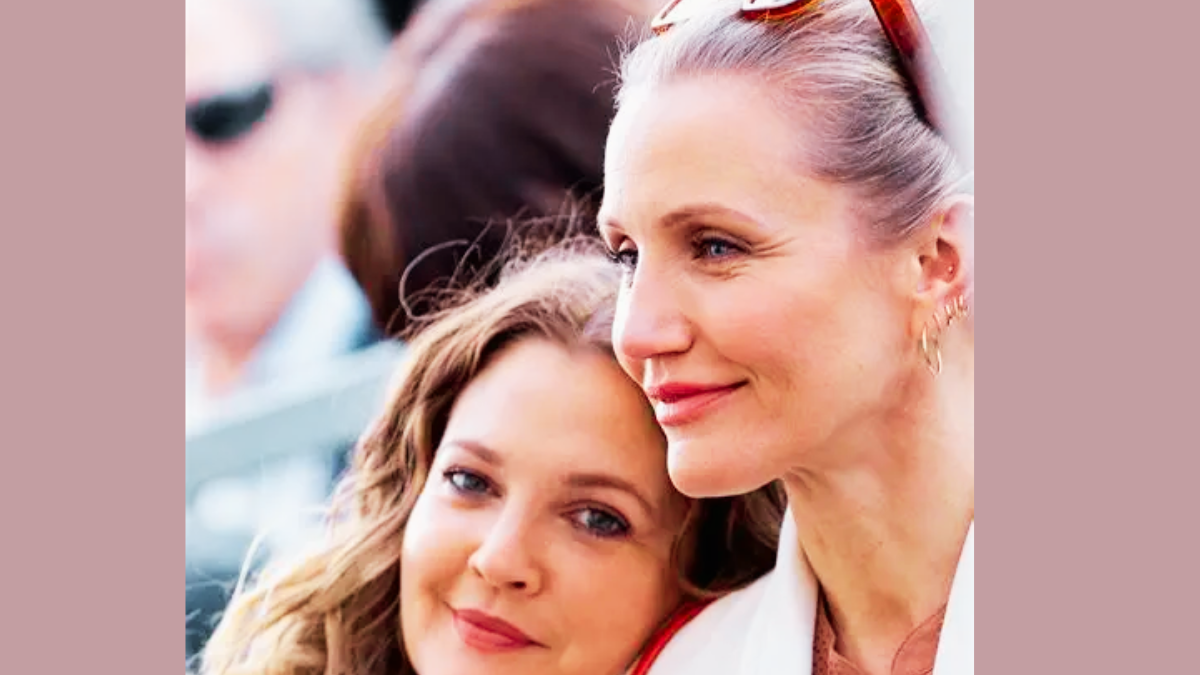
Who was Jessica Blyth Barrymore? Learn about Drew Barrymore’s half-sister, what happened in 2014, how Drew reacted to her death, and where Drew’s relationship with her mother stands today.
Introduction
Few families in American entertainment carry as much history as the Barrymores. The dynasty stretches from the nineteenth-century stage through Hollywood’s golden age to Drew Barrymore, one of the most recognizable actors and talk-show hosts working today. Yet some members of the family lived far from the cameras, and their stories are often reduced to a few lines in a headline.
Jessica Blyth Barrymore is one of them. Searches for her name usually come from people who saw a news item or a family-tree reference and want to understand who she was, what happened to her, and how her famous half-sister responded. This guide covers what is publicly documented about Jessica Blyth Barrymore, where reporting is incomplete, and what it shows about the family around her. It also answers the related questions people ask most: what happened to Drew Barrymore’s sister, how Drew reacted, and whether Drew still talks to her mother.
A note on sources: most of what is known comes from news reports and family statements from 2014. I couldn’t find later official findings, so the guide marks clearly what is confirmed and what isn’t.
Who Was Jessica Blyth Barrymore?
Jessica Blyth Barrymore was the daughter of actor John Drew Barrymore and actress Nina Wayne. A Find a Grave memorial lists her as the half-sister of actress Drew Barrymore and gives her years as 1966 to 2014. Her full name was Brahma Jessica Blyth Barrymore, though she went by Jessica.
She was part of the Barrymore bloodline but never pursued the family trade. One biographical profile describes her as the elder half-sibling of Drew who lived out of the limelight. That distinction matters for anyone researching her. Unlike her half-sister, Jessica has no film credits, interviews, or public career to review, so almost everything written about her is tied to the circumstances of her death.
Jessica Blyth Barrymore’s Family Background
John Drew Barrymore, Jessica’s father, was himself the son of John Barrymore, one of the great stage and screen actors of his era. He married several times and had several children across those marriages.
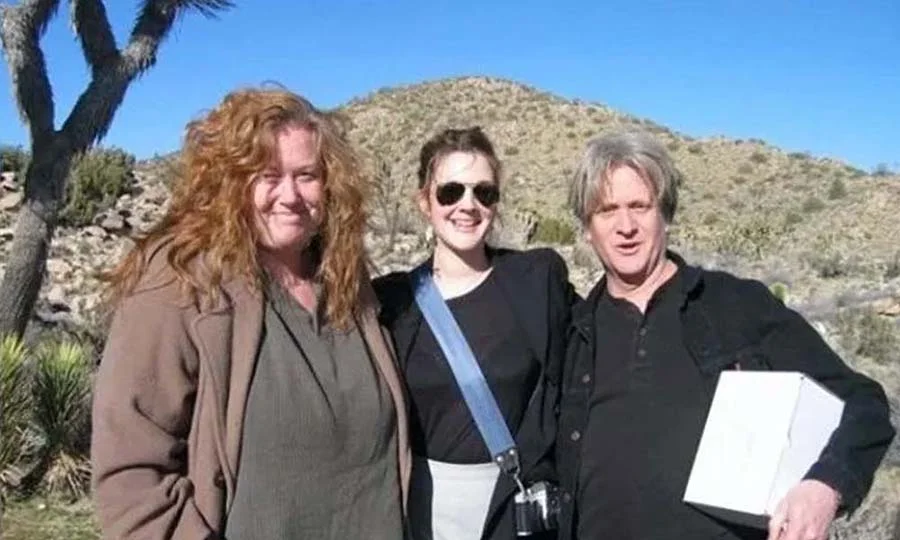
Jessica’s mother, Nina Wayne, was a former actress with a handful of film and television credits, including an episode of Bewitched, and was the sister of comedienne Carol Wayne. John was Nina’s husband for a time. Reports describe Nina as John’s fourth wife, while Drew’s mother, Jaid, was his third.
The Barrymore Half-Siblings
Jessica’s siblings on her father’s side include:
- John Blyth Barrymore III, born in 1954, an actor and filmmaker.
- Blyth Dolores Barrymore, born in 1960.
- Drew Barrymore, born in 1975.
Find a Grave lists these siblings alongside Jessica, along with her father’s lifespan of 1932 to 2004. Because the children came from different marriages and grew up in different households, they did not share a childhood. That detail explains much of what followed.
Life Away From the Spotlight
Public details of Jessica’s adult life are limited, which is typical for relatives of celebrities who avoid media attention. Reporting at the time said she worked at a Petco store. Her memorial page adds that she loved animals and had recently adopted a cat
These small details are worth keeping in view. When someone is known mainly through a tragic headline, it is easy to overlook that they had an ordinary daily life: a job, a pet, a routine. If you write about a person like Jessica, whether for a family-history blog or a news explainer, that human context is the part most worth preserving.
What Happened to Drew Barrymore’s Sister?
This is among the most common questions about Jessica Blyth Barrymore. In late July 2014, news broke that she had died.
Jessica was found dead in her car early on Tuesday, July 29, in National City, California, a community between San Diego and Chula Vista. She was 47, and a neighbor reportedly discovered her and called the police. She would have turned 48 two days later.
The story spread quickly because of her connection to Drew Barrymore. Outlets that had never covered Jessica before ran the news under headlines about Drew’s family. That framing drew criticism, including from social media commenters who argued that the coverage made the story about Drew and not about Jessica, who had died.
Jessica Blyth Barrymore’s Cause of Death: What Is and Isn’t Known
Readers often search for the cause of death, and here accuracy matters more than speed. Early reports noted that some online outlets claimed suicide or overdose, but no official cause of death had been announced. Another outlet likewise said the cause had yet to be determined.
I did not find a later, authoritative public finding, such as a published medical examiner’s conclusion, in the sources available. So the responsible position is this: the circumstances were reported by witnesses and local media, but the official cause was not established in the coverage I could locate. Anyone writing about this should avoid presenting speculation as fact. Doing so is inaccurate, and it is also unkind to a family dealing with a loss.
A Practical Example: Reporting on Unconfirmed Details
Suppose you are drafting a short biography of Jessica. A careful version might read: “Jessica Blyth Barrymore died in July 2014 at age 47. Local reports described how she was found, but an official cause of death was not announced in early coverage.” That phrasing is accurate, avoids guesswork, and leaves room for updates if new information becomes public.
How Did Drew Barrymore React to Jessica’s Death?
This is the question people most often attach to Jessica’s name. Drew responded with a brief public statement, released through a representative.
She said that although she had met her sister only briefly, she wished Jessica’s loved ones peace and was deeply sorry for their loss. The statement was given to a newspaper within hours of the news.
The wording is restrained, and it reflects the reality of the relationship. Drew was not claiming a closeness that did not exist. She was offering condolences to a family she barely knew, and she was doing it publicly because the press was asking.
Was the Reaction Enough?
Opinions differed. Some people read the statement as respectful and appropriately modest given how little contact the sisters had. Others, including a family member, saw it differently, which the next section covers. A fair reading is that a short, sincere condolence is a common and reasonable response when someone is thrust into the news cycle over a relative they hardly knew.
The Response From the Rest of the Family
Drew was not the only Barrymore asked to comment. After Jessica’s death, her half-brother John Blyth Barrymore publicly criticized Drew for not being receptive to building a relationship with either him or Jessica. He also acknowledged that the half-siblings barely knew each other.
That tension shows how complicated blended families can be. One person’s account of the relationship can differ sharply from another’s, and neither may tell the whole story. Drew’s own early life included fame at a young age, a turbulent upbringing, and a difficult relationship with her father and mother. Those circumstances may have shaped how much contact she sought with relatives from her father’s other marriages. I could not find Drew explaining her reasons in detail, so any conclusion here would be speculation.
Why Drew and Jessica Were Not Close
Several sources agree on the basic fact: the two women had very little contact. They had met on only one occasion, shortly before their father died in 2004. Coverage at the time also described them as not close.
Half-siblings who grow up apart are common, and celebrity families add extra distance. Different mothers, different cities, and a father whose own life was often unstable all make it harder to form bonds. In this case, the family tree was branched widely enough that Drew and Jessica never really shared a household or routine.
A Practical Example: Understanding Distance in Blended Families
If you are researching your own family history, a useful lesson here is that “sibling” on paper does not always mean “close” in practice. When you build a family tree, note the relationship type (full, half, step) and the context. It helps explain gaps in the record and prevents you from assuming closeness where none existed.
Does Drew Barrymore Still Talk to Her Mother?
This related question comes up often because Jessica’s story is tied to Drew’s wider family history. The answer has shifted over the years, and the most honest reply is “it has varied.”
In 2014, Drew told a magazine that her relationship with her mother, Jaid, was very complicated. She said that the two could not really be in each other’s lives at that point, though she described feeling guilt, empathy, and sensitivity rather than simple anger. She had entered rehab at 14 and became legally emancipated from her parents at 15. Other outlets report the emancipation at age 14, so the exact age varies between sources.
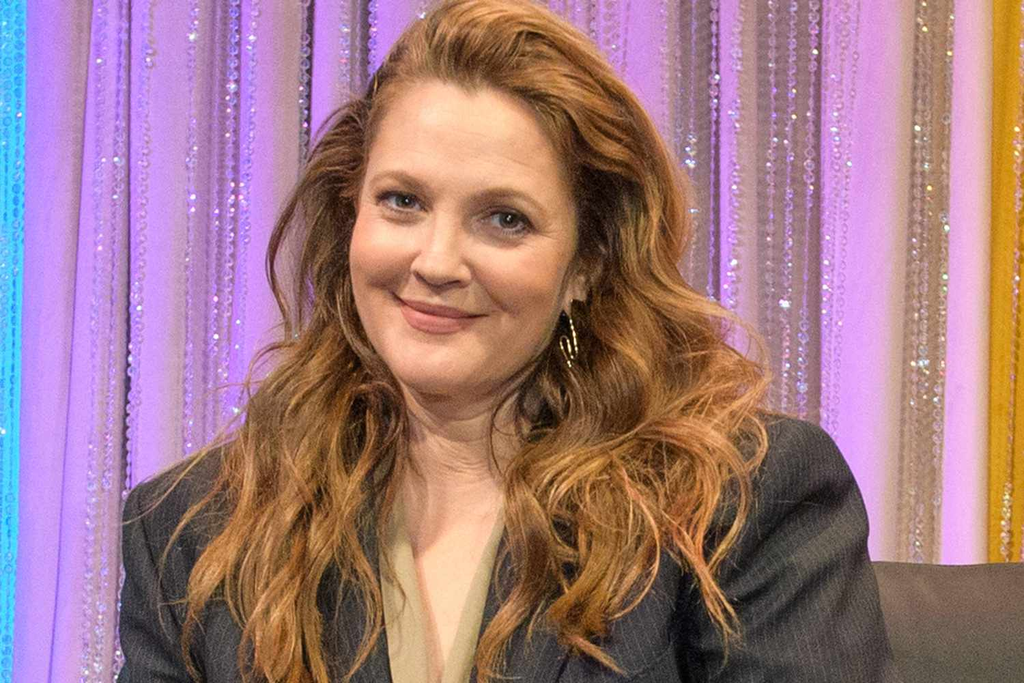
Later accounts describe a softer picture. In an interview reported by AOL, Drew said she felt there was now peace and respect in the relationship after years of estrangement. A later profile painted a more mixed view. It reported that the two remain estranged, though Drew still supports her mother financially. The same coverage said Drew had texted her mother a simple birthday message and that Jaid replied saying she was proud of her.
The takeaway: Drew and Jaid have had contact, but the relationship has been described in different ways at different times, ranging from estranged to peaceful. I could not confirm their current status, so check recent interviews if you need an up-to-date answer.
Lessons From the Story: Covering Family Tragedy With Care
Jessica Blyth Barrymore’s story offers some practical lessons for writers, researchers, and readers.
Separate fact from rumor. In 2014, speculation about her death circulated before any official statement. Stick to what credible sources confirm.
Respect people who never chose publicity. Jessica had no public career. Her name entered headlines only because of her death and her famous relatives.
Avoid assigning motives. Drew’s brief statement and John’s criticism both reflect real feelings, but none of us can know the full history behind them.
Update as information changes. Relationship statuses, like Drew’s with her mother, evolve. Dating your sources helps readers judge how current they are.
Conclusion
Jessica Blyth Barrymore was a member of one of America’s best-known acting families who lived most of her life outside the public eye. She died in July 2014 at age 47, and the circumstances of her death drew national attention largely because of her connection to Drew Barrymore. An official cause of death was not announced in the early coverage, and I could not locate a later public finding.
Drew’s response was a short statement of condolence acknowledging that she had met her sister only briefly. Her half-brother John publicly criticized her for not building closer ties, which illustrates how differently relatives can see the same family history. As for Drew’s mother, the relationship has been described as estranged, then as peaceful, and later as complicated again, so there is no single settled answer.