
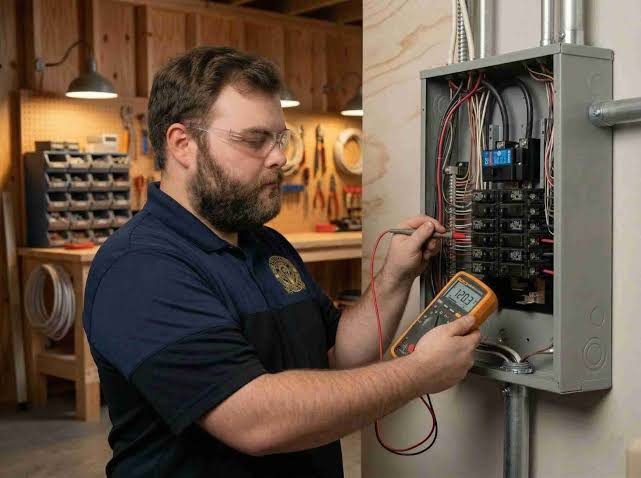
A safe and reliable electrical system is essential for every modern home. From powering kitchen appliances and heating systems to supporting home offices, lighting and security equipment, household electrics play an important role in everyday life. However, ageing wiring, faulty connections and outdated electrical components can create problems if they are not properly maintained. For homeowners and landlords in South West London, finding a dependable Barnes Electrician can help ensure that electrical installations remain safe, efficient and suitable for modern living.
Barnes is a popular residential neighbourhood with a mixture of Victorian and Edwardian houses, converted apartments and modern developments. These different property types often have varying electrical requirements, making professional inspections, repairs and upgrades important aspects of property maintenance.
1. Why Professional Electrical Services Matter in Barnes
Electrical systems are often taken for granted until something stops working. A faulty socket, frequently tripping circuit breaker or flickering light may appear to be a minor inconvenience, but these issues can sometimes indicate underlying electrical faults.
Professional electrical services help property owners identify problems before they become more serious. A qualified electrician can assess the installation, investigate faults and recommend suitable solutions based on the property’s condition.
Common domestic electrical services include:
- Electrical fault finding and repairs.
- New socket and switch installations.
- Consumer unit replacements.
- Indoor and outdoor lighting installations.
- Electrical wiring and rewiring.
- Electrical inspections and testing.
- Additional circuits for modern appliances.
Using a competent professional also helps ensure that electrical work complies with applicable UK safety requirements and Building Regulations.
2. Understanding Electrical Problems in Older Properties
Barnes has many attractive period properties, some of which have electrical installations dating back several decades. Although older homes can retain their character and architectural appeal, their electrical systems may require additional attention.
Previous renovations, extensions and changes in household electricity usage can place different demands on existing installations.
Some common concerns include:
Ageing electrical wiring: Older cables may have deteriorated insulation or may no longer be suitable for the property’s current electrical requirements.
Outdated consumer units: Older fuse boxes may not provide the level of circuit protection expected from modern installations.
Insufficient sockets: Properties designed for an earlier lifestyle may not have enough electrical outlets for computers, televisions, kitchen equipment and charging devices.
Poor lighting arrangements: Older lighting systems may consume more energy or provide insufficient illumination for modern living spaces.
A professional inspection can establish whether an existing installation remains satisfactory or whether specific improvements are necessary. Not every older property requires complete rewiring; the appropriate solution depends on the actual condition of the electrical system.
3. Electrical Inspections and EICR Reports
Regular electrical inspections are an important part of maintaining residential properties. An Electrical Installation Condition Report (EICR) provides an assessment of the condition and safety of a property’s fixed electrical installation.
During an inspection, an electrician may examine:
- Consumer units and circuit breakers.
- Wiring and electrical connections.
- Socket outlets and light fittings.
- Earthing and bonding arrangements.
- Circuit protection devices.
- Signs of overheating, deterioration or damage.
An EICR can identify defects that require further investigation or remedial work.
For owner-occupied homes, Electrical Safety First generally recommends an inspection at least every ten years. In privately rented properties in England, landlords must normally arrange electrical inspections at least every five years, or sooner if the previous report specifies a shorter interval.
Having an appropriate inspection schedule helps homeowners understand the condition of their electrical installations while allowing landlords to meet their legal responsibilities.
4. Modern Electrical Upgrades for Contemporary Homes
Modern households rely on more electrical equipment than ever before. From smart home devices to energy-efficient lighting and high-powered kitchen appliances, electrical installations must accommodate changing requirements.
A professional electrician can recommend suitable upgrades based on the property’s existing electrical capacity and intended usage.
Energy-Efficient LED Lighting
LED lighting offers an efficient alternative to traditional incandescent and halogen bulbs. Homeowners can use LED downlights, decorative fixtures, outdoor lighting and under-cabinet illumination to improve the appearance and functionality of their living spaces.
Smart Home Electrical Installations
Smart lighting controls, programmable heating systems and compatible security equipment can make household management more convenient. Correct installation and configuration are important for reliable operation.
Additional Power Sockets
Adding sockets in appropriate locations can reduce the need for extension leads and improve access to electricity throughout the home. This is particularly useful in kitchens, home offices and living rooms.
Consumer Unit Upgrades
A modern consumer unit with appropriate protective devices can provide improved protection against certain electrical faults. An electrician can determine whether replacement is necessary after assessing the existing installation.
5. Electrical Safety Advice for Homeowners and Landlords
Electrical safety requires more than occasional repairs. Homeowners and landlords should pay attention to warning signs and arrange professional assistance when something does not appear right.
Some indicators of possible electrical problems include:
- Circuit breakers that repeatedly trip.
- Burning smells near switches or sockets.
- Buzzing or crackling noises from electrical fittings.
- Sockets that become unusually warm.
- Visible damage to cables and electrical accessories.
- Lights that repeatedly flicker without an obvious reason.
If any of these signs occur, stop using the affected equipment or circuit where safe and contact a competent electrician. Never attempt to repair exposed wiring or damaged electrical components without appropriate qualifications.
Landlords should also maintain records of electrical inspections, certificates and remedial work. Under the Electrical Safety Standards in the Private Rented Sector (England) Regulations 2020, applicable rented properties must have their electrical installations inspected and tested at least every five years.
6. Choosing the Right Electrical Professional in Barnes
Finding an electrician involves more than comparing prices. Property owners should consider qualifications, relevant experience, insurance and the professional’s approach to electrical safety.
Before arranging electrical work, consider the following points:
Check qualifications and competence: Ensure the electrician has the necessary training and experience for the specific work required.
Verify registration: Where applicable, check registration with an appropriate competent person scheme, such as NICEIC or NAPIT.
Request a written quotation: A clear quotation should explain the proposed work, materials and expected costs.
Ask about certification: Depending on the work undertaken, relevant electrical certificates or Building Regulations documentation may be required.
Confirm insurance: Suitable public liability insurance provides additional reassurance when arranging work inside a property.
Discuss the problem clearly: A professional should be willing to explain the issue, outline possible solutions and answer reasonable questions.
Taking these steps can help homeowners make informed decisions and select someone capable of completing the work safely.
7. Finding Local Electrical Assistance Around Barnes
Choosing a professional familiar with the local area can make arranging electrical work more straightforward. Barnes, Putney, Roehampton and surrounding South West London neighbourhoods contain a variety of residential properties, each with different layouts, installations and maintenance requirements.
Residents looking for an electrician in Barnes to learn more about available electrical services and local support.
When requesting an appointment, property owners should explain the electrical issue, mention any warning signs and provide details about the property’s age or previous electrical improvements where possible. This information can help the electrician understand the nature of the work before arranging a visit.
Whether the requirement involves a minor repair, a consumer unit upgrade, new lighting or a comprehensive electrical inspection, professional advice can help identify the most appropriate solution.
Frequently Asked Questions
1. When should I contact an electrician in Barnes?
You should contact a qualified electrician when you experience repeated power interruptions, faulty sockets, flickering lights, unusual electrical noises or signs of overheating. Electrical installations should also be inspected periodically.
2. Does an older house in Barnes need complete rewiring?
Not necessarily. The need for rewiring depends on the condition, age and suitability of the existing electrical installation. A professional inspection can identify whether repairs, partial upgrades or complete rewiring are appropriate.
3. What is included in an EICR inspection?
An EICR examines the condition of fixed electrical installations, including wiring, consumer units, sockets, earthing, bonding and circuit protection. The report identifies observed defects and recommends any necessary remedial work.
4. How often should landlords arrange electrical inspections?
Private landlords in England must generally arrange an electrical inspection at least once every five years. An earlier inspection may be required if the previous report recommends a shorter interval.
5. Can an electrician install smart lighting and additional sockets?
Yes. A suitably qualified electrician can install compatible smart lighting systems, additional sockets and other electrical upgrades after assessing the existing installation and ensuring the proposed work meets relevant safety requirements.
Conclusion
Maintaining a safe electrical installation is essential for protecting people, property and everyday household equipment. From identifying hidden faults to upgrading outdated components, professional electrical maintenance helps residential properties remain suitable for modern living.
For homeowners and landlords in Barnes, understanding common electrical problems, arranging regular inspections and choosing a competent professional are practical ways to manage electrical safety. With appropriate maintenance and carefully planned improvements, properties across South West London can benefit from reliable electrical systems for years to come.
 Writer Saad