
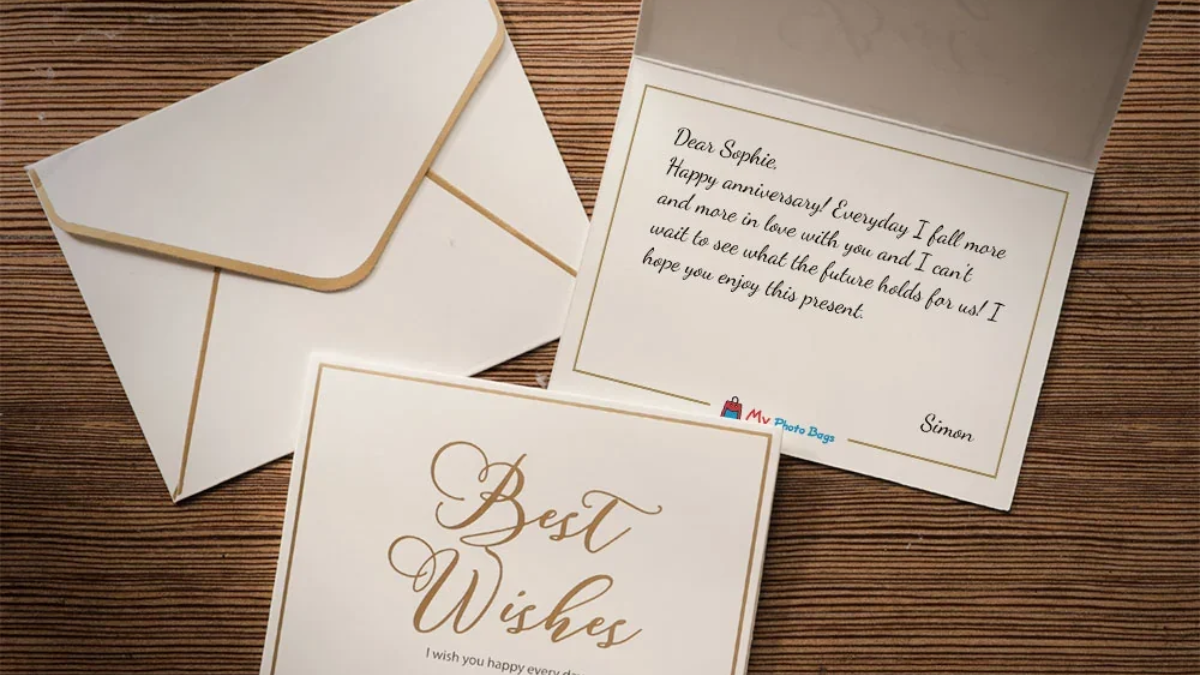
Designing a beautiful card is a creative way to share feelings, celebrate important events, and make ordinary moments more memorable. Whether it is a birthday greeting, wedding invitation, anniversary message, or business announcement, an attractive card can communicate a message in a personal and meaningful way. With digital design tools becoming increasingly accessible, people no longer need advanced graphic design skills to produce appealing cards. A little planning, creativity, and attention to detail can help anyone create a design that stands out.
Understanding the Basics of Card Design
Before beginning a project, it is important to understand what makes a card visually appealing. A successful design combines a suitable layout, readable text, balanced colours, and relevant images. Every element should support the purpose of the card rather than compete for attention.
Start by identifying the occasion and the intended recipient. A cheerful birthday greeting may require bright colours and playful illustrations, while a formal invitation might look better with elegant typography and a simple background. Understanding the audience helps you make design decisions that feel appropriate.
Selecting the Right Layout
The layout determines how different elements appear on the card. It influences where the heading, message, images, and decorative details will be placed. A well-organized arrangement makes information easier to understand and gives the overall design a professional appearance.
There are several common layout styles to consider:
- Minimalist layouts: These use limited colours and decorative elements for a clean appearance.
- Photographic layouts: These place personal photographs at the centre of the design.
- Illustrated layouts: These use drawings, patterns, and creative graphics.
- Formal layouts: These focus on balanced spacing and elegant text arrangements.
Choose a layout that matches the occasion and leaves enough room for the message.
Choosing Colours and Typography
Colours can influence the mood of a card. Soft shades often create a calm and elegant appearance, while brighter combinations can communicate excitement and happiness. It is generally better to select two or three main colours instead of filling the design with too many competing shades.
Typography deserves equal attention. The font should match the overall theme while remaining comfortable to read. Decorative lettering can work well for short headings, but longer messages are easier to understand in simple fonts. Maintaining consistent text sizes and spacing also helps the design look organized.
Adding Meaningful Images and Decorations
Visual details can make a card more engaging when they are selected carefully. Photographs, illustrations, borders, icons, and background patterns can all contribute to the final appearance. However, every image should have a clear purpose.
For example, a family celebration card may include a personal photograph, while a seasonal greeting could feature themed illustrations. Avoid using low-quality images because blurry graphics can reduce the overall presentation. Make sure decorative objects do not cover important information or make the message difficult to read.
Using Digital Tools for Creative Projects
Modern design platforms provide templates and editing features that simplify the creative process. Users can select a starting layout, change its colours, replace sample text, upload images, and adjust different elements. These options make it possible to experiment with several ideas without needing to build every design from scratch.
When exploring options to design your card generator, consider features such as customizable templates, easy text editing, image uploads, preview options, and downloadable formats. A straightforward interface is especially useful for beginners who want to create attractive results without spending hours learning complicated software.
Creating Cards for Different Occasions
One advantage of digital card design is its flexibility. The same basic creative process can be adapted for many purposes. Birthday cards can include cheerful messages, while wedding invitations may require event details and a refined visual theme. Thank-you cards can use simple wording, and business greetings can incorporate company colours and branding.
For professional designs, always check that names, dates, addresses, and other important details are correct before sharing the finished card.
Final Review and Design Improvements
Before saving or printing a card, review the complete design. Check spelling, alignment, image quality, and text readability. Make sure important information is clearly visible and that the design looks balanced. If possible, ask another person to review it and provide feedback.
Conclusion
Creating an appealing card is a rewarding activity that combines imagination with thoughtful planning. By selecting an appropriate layout, using balanced colours, choosing readable fonts, and adding meaningful visual details, anyone can produce a design suited to a special occasion. Digital tools make the process more convenient and allow users to explore different styles with confidence. With practice and attention to detail, every card can become a memorable way to communicate a message.