
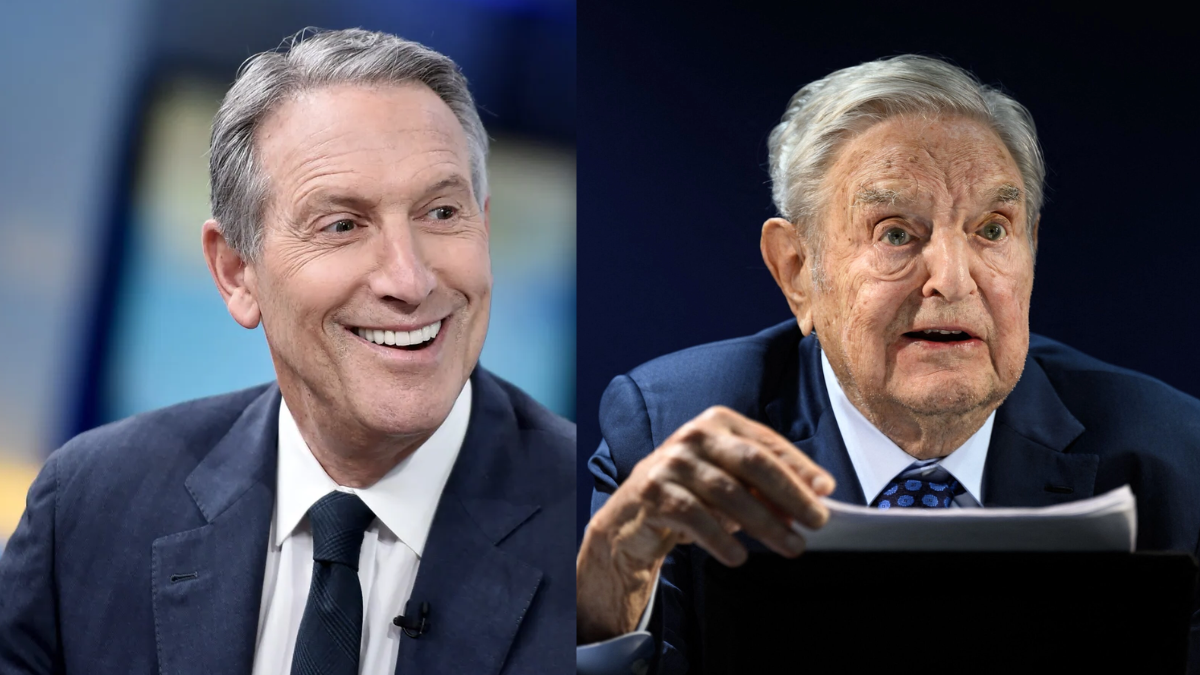
Howard Schultz and George Soros compared: their backgrounds, philanthropy, politics, business philosophies, public criticism, and the lessons their careers offer.
Introduction: Why Howard Schultz and George Soros Matter
Few people attract as much curiosity as billionaires who step out of their industries and into public life. Howard Schultz and George Soros are two of the best-known examples. One built a coffee shop chain into a global retail brand. The other turned currency markets into a fortune and then spent decades funding civil-society causes.
People who search for “Howard Schultz and George Soros” are usually looking for one of three things. Some want to know who these men are. Some want to compare how a business leader and a financier approach wealth, philanthropy, and politics. Others have seen the two names together in an online debate and want the facts.
One clarification first. The two are not business partners, and I found no verified record of a formal partnership between them. What connects them is their category: self-made, high-profile, politically engaged billionaires of Jewish heritage whose public choices draw strong opinions. This guide treats them as parallel case studies and sticks to what the record supports.
Who Is Howard Schultz?
Howard Schultz was born July 19, 1953. He served as chairman and CEO of Starbucks from 1986 to 2000 and again from 2008 to 2017, and returned as interim CEO from 2022 to 2023. He is widely credited with turning Starbucks from a small Seattle coffee-bean seller into a global café brand.
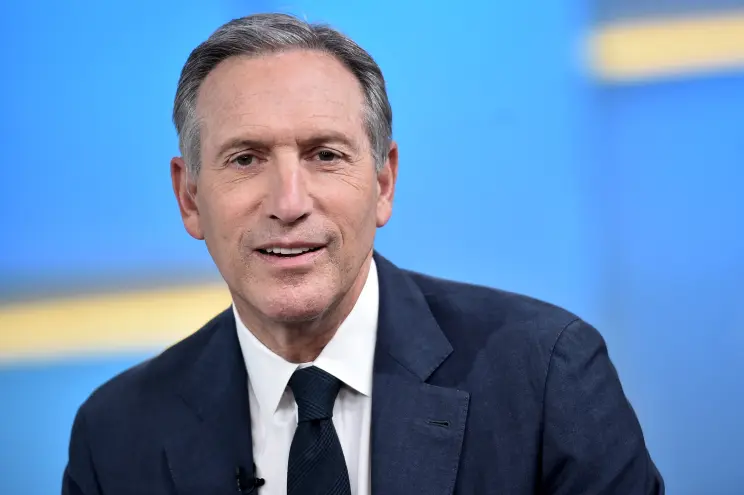
His origin story is central to his public image. He grew up in the Canarsie public housing projects in Brooklyn, the son of a truck driver. He was the first in his family to graduate from college. Schultz often points to that background when he talks about wages, healthcare, and opportunity.
His defining business insight came from a trip to Italy. He visited more than 500 espresso bars in Milan and came home convinced that Americans would pay for a café experience, not just a cup of coffee. Raising money was hard. Of the 242 investors he approached for his first venture, 217 said no. That persistence is a common theme in his story.
Who Is George Soros?
George Soros was born Schwartz György on August 12, 1930, and is a Hungarian-American investor and philanthropist. Born in Budapest, he lived through the Nazi occupation of Hungary as a boy, an experience he has said shaped his views on open and closed societies. He later studied philosophy at the London School of Economics.

His fortune came from hedge fund management through Soros Fund Management and the Quantum fund family. He is best known for the 1992 trade against the British pound, often called “Black Wednesday,” which became a landmark in financial history.
His wealth is smaller than many people assume, because he has given so much away. As of September 2026 his net worth was listed at about $8.6 billion, and he has donated more than $32 billion to the Open Society Foundations. He received the Presidential Medal of Freedom in 2025.
Early Life and Formative Experiences Compared
Both men came from modest or disrupted beginnings, and both say those beginnings shaped their worldviews.
Schultz frames his childhood around economic insecurity. His father’s injury and the family’s financial strain left him with a lasting concern about employer responsibility, which later showed up in Starbucks’ benefits policies.
Soros frames his youth around persecution and displacement. Surviving occupation and then rebuilding in Britain left him preoccupied with how societies stay free or become authoritarian.
The practical lesson is that personal history often explains a public figure’s priorities better than a résumé does. Schultz’s focus is workplace opportunity. Soros’s is civic and political openness.
Business Philosophies: Brand Building vs. Market Speculation
The two men earned their wealth in very different ways.
Schultz: The Experience Builder
Schultz built a consumer brand on the “third place” idea: a spot between home and work where people gather. His approach rested on:
- Consistent in-store experience across thousands of locations
- Premium pricing backed by a story about quality and community
- Employee benefits as a way to build loyalty, such as healthcare for eligible part-time staff and equity in the form of “Bean Stock”
Soros: The Reflexivity Investor
Soros built wealth by trading on a theory he calls reflexivity, the idea that investor beliefs and market realities influence each other in feedback loops. His approach rested on:
- Large, concentrated bets when he had strong conviction
- Willingness to reverse positions quickly when he decided he was wrong
- Macro analysis of currencies, governments, and policy
Practical example: If you run a business, Schultz’s model suggests investing in customer experience and employee loyalty. If you invest, Soros’s model suggests treating your own errors as information and changing course quickly.
Philanthropy: Schultz Family Foundation vs. Open Society Foundations
Both men use their wealth for public purposes, but at very different scales and with very different aims.
The Schultz Family Foundation
Schultz started the Schultz Family Foundation to help military veterans and fight youth unemployment. He co-leads it with his wife, Sheri. Its focus is practical and workforce-oriented, concentrating on veterans and on young people who are neither working nor in school.
Open Society Foundations
Soros’s giving is broader and more political in the original sense of the word. Open Society Foundations has funded education, public health, independent media, human rights, and democratic institutions across many countries. In Central and Eastern Europe, its early work supported civil society as communist governments fell.
Comparison takeaway: Schultz’s philanthropy resembles a targeted program tied to employment. Soros resembles a global network aimed at institutions and civic norms. Neither is inherently better. They reflect different theories of how change happens.
Political Engagement and Influence
Both men have been active in politics, and both have drawn scrutiny for it.
Schultz was a Democratic supporter before he left the party. He has been registered as an independent since 2019. Around that time he publicly considered an independent presidential run, a move that drew heavy criticism from Democrats who feared it could split the vote. Speculation about a presidential bid had begun after he stepped away from Starbucks, with commentators noting his connections to other business leaders could help fund a campaign. He ultimately did not run.
Soros has been a major donor on the political left for decades. In the 2004 presidential campaign, he spent an estimated $27 million trying to defeat President George W. Bush. He has since funded a range of progressive causes and organizations.
If you are researching political giving, remember that donations to a campaign or cause are not the same as control over outcomes. Donors can be influential, but they are one force among many, including voters, parties, and the media.
Public Criticism and Controversy
Both men have faced criticism, though of different kinds.
Criticism of Schultz
Critics have focused on the gap between Starbucks’ progressive image and its labor practices, particularly during the 2022 to 2023 union organizing wave when Schultz returned as interim CEO. He also drew mockery for the 2015 “Race Together” campaign, which asked baristas to start conversations about race. Supporters counter that Starbucks offered benefits many retailers did not, and that Schultz’s wealth-and-civic-duty arguments were sincere.
Criticism of Soros
Soros faces legitimate policy criticism, as any major donor does. Critics question funding for particular prosecutors, advocacy groups, and political campaigns, and some object to the idea of a single wealthy donor shaping policy. Supporters say transparent political giving is a normal part of democratic life.
Conspiracy Theories and Misinformation
This is the part of the keyword where accuracy matters most. People often see “George Soros” attached to exaggerated or false claims online. Scholars and journalists have documented conspiracy claims that portray Soros as a dangerous “puppet master” behind global plots. Many of these draw on old antisemitic tropes about secret Jewish control of finance and politics.
Here is a simple way to evaluate a claim about either man:
- Check whether it names a specific, documented action. “Donated to X, according to filings” is checkable. “Secretly controls Y” usually is not.
- Look for primary sources. Foundation grant databases, tax filings, and campaign finance records are better than social media posts.
- Watch for recycled tropes. Claims that a Jewish financier orchestrates world events are a known pattern, not evidence.
- Separate disagreement from conspiracy. You can oppose a donor’s politics without believing he runs the world.
Practical Lessons From Their Careers
Whatever your politics, both careers offer useful takeaways.
Lesson 1: Start with a clear thesis. Schultz had the Italian café vision. Soros had reflexivity. Each gave them a framework for decisions.
Lesson 2: Expect rejection. Schultz heard “no” from most of the investors he approached. Soros has described being wrong and having to adjust.
Lesson 3: Define what wealth is for. Both converted money into causes. Their choices differ, but the habit of planning how to use wealth is shared.
Lesson 4: Public roles bring public scrutiny. The more a business leader or donor steps into politics, the more every move gets analyzed. If you are a founder or executive considering public advocacy, plan for criticism early.
Practical example: A startup founder could borrow Schultz’s focus on workplace culture while studying Soros’s habit of testing and revising assumptions. A nonprofit leader could study how both men tied philanthropy to a defined theory of change.
How to Research Howard Schultz and George Soros Responsibly
Because both names generate a lot of heated content, use reliable sources:
- Biographies and memoirs. Schultz’s books Pour Your Heart Into It and From the Ground Up give his own account. Soros’s writings, including The Alchemy of Finance, explain his investment thinking.
- Financial records. SEC filings and foundation annual reports show what organizations actually do.
- Campaign finance databases. The FEC and OpenSecrets track political donations in the United States.
- Reputable journalism. Look for outlets that correct errors and cite sources.
- Fact-checkers. For viral claims, check established fact-checking organizations before sharing.
Net worth figures change constantly. Check current Forbes or Bloomberg listings rather than relying on any single article, including this one.
Conclusion
Howard Schultz and George Soros come from different worlds. One is a consumer-brand builder from Brooklyn public housing. The other is a Budapest-born financier who survived wartime persecution. Their paths overlap in wealth, public influence, philanthropy, politics, and the intense attention they attract.
For readers, the useful approach is to ignore the noise and focus on documented facts: what each man built, what each has given, what each has said, and what critics and supporters argue about it. Treat extraordinary claims about either with skepticism, especially when they lean on conspiratorial language.
Whether you are studying business strategy, philanthropy, or political giving, these two careers show how money, ideas, and public life interact, and how much careful research matters when the topic is a billionaire.