
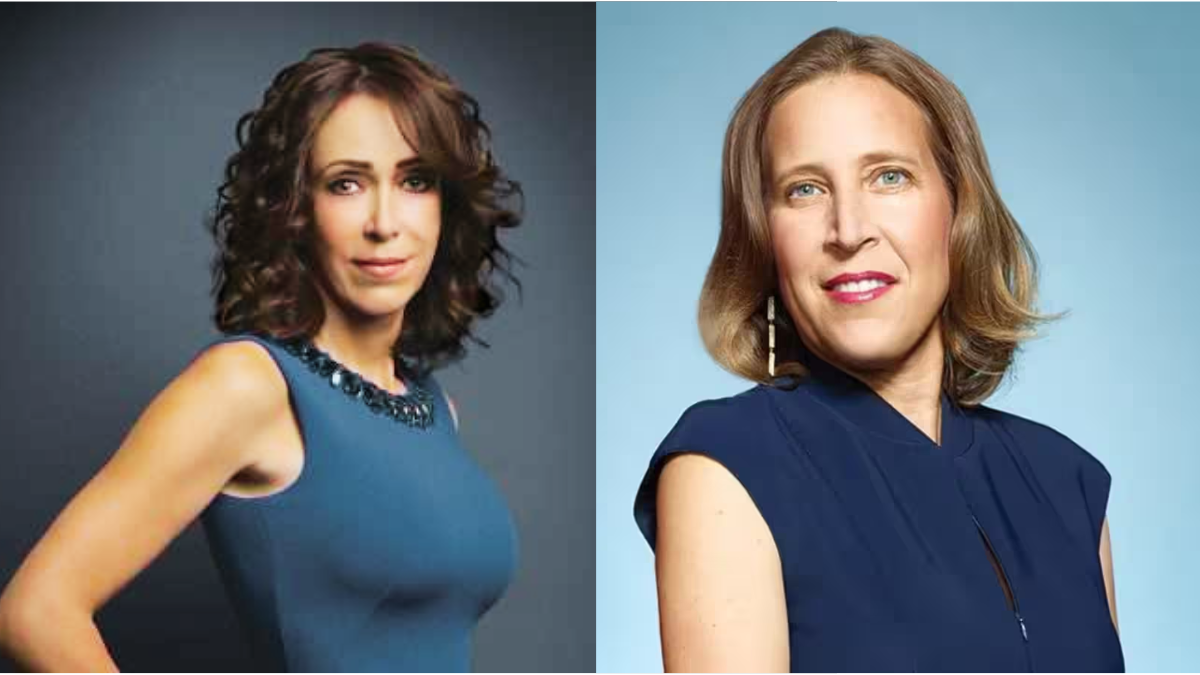
Explore the careers, leadership styles, and legacies of Maria Asuncion Aramburuzabala and Susan Wojcicki. Learn how these two business leaders shaped beer, finance, and tech, plus answers to common questions about Susan Wojcicki’s family and YouTube tenure.
Introduction: Why Maria Asuncion Aramburuzabala and Susan Wojcicki Matter
Few women have reached the top of industries long dominated by men, and fewer have done so at the scale of Maria Asuncion Aramburuzabala and Susan Wojcicki. One built influence through Mexico’s brewing industry and private investment. The other helped build Google’s advertising business and then ran the world’s largest video platform.
The two worked in different countries, industries, and business models, and as far as public record shows, they were not business partners. Searches that pair their names usually come from people who want to compare high-profile women leaders, research top female executives, or find a single resource that covers both. That is why this guide treats them as parallel case studies. Their paths show what it takes to lead at the highest level, how family and education shape ambition, and how leadership changes across eras and sectors.
This guide covers who each woman is, how she built her career, what her leadership philosophy looks like, and what lessons you can apply yourself. It also answers common questions, including whether Susan Wojcicki had children, who Anne Wojcicki’s sisters are, when Susan was CEO of YouTube, and who the former CEOs of YouTube were.
Who Is Maria Asuncion Aramburuzabala?
Maria Asuncion Aramburuzabala, born in 1963, is a Mexican businesswoman and investor. She is widely described as one of the wealthiest women in Mexico and Latin America. Her name became prominent through her family’s stake in Grupo Modelo, the brewer behind Corona, Modelo, and Pacifico, and later through her own investment firm, Tresalia Capital.
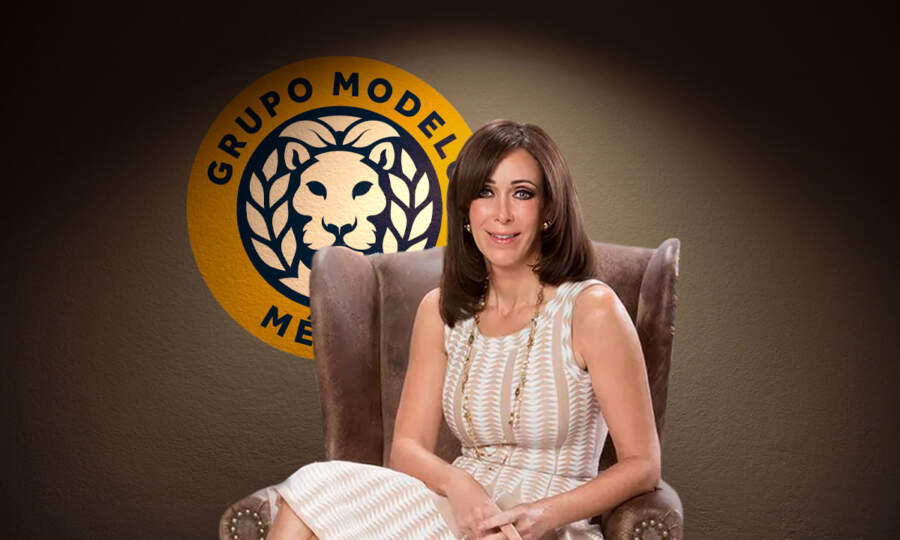
She inherited a major interest in the family business at a young age, after the death of her father, Pablo Aramburuzabala. Rather than stepping aside, she took an active role in governance and strategy, which made her one of the few women in Mexican corporate life with real decision-making power at that level.
Early Life and Education
Aramburuzabala grew up in Mexico City in a family with deep ties to the brewing industry. She studied accounting, a practical foundation for someone who would later manage complex deals and large asset portfolios. Understanding the numbers helped her hold her own in boardrooms where she was often the only woman.
Who Is Susan Wojcicki?
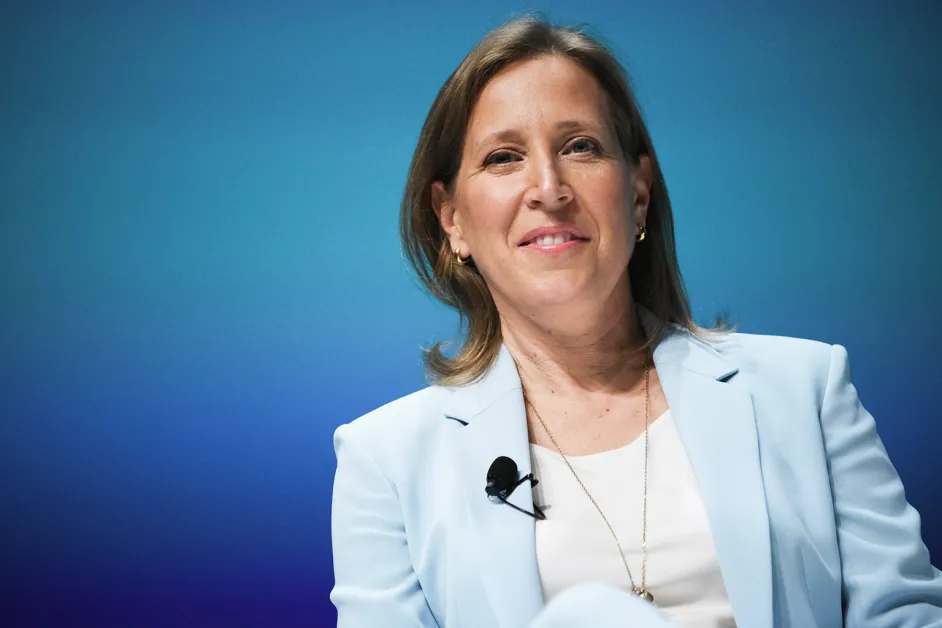
Susan Wojcicki (1968–2024) was an American technology executive best known as the CEO of YouTube. She was one of the earliest employees at Google, and her garage in Menlo Park famously served as the company’s first office in 1998. She rose to become one of the most influential figures in digital media and online advertising.
Wojcicki died on August 9, 2024, after a battle with lung cancer, at age 56. Her death prompted tributes from across the technology industry, from leaders who credited her with shaping how billions of people watch and create video.
Early Life and Education
Wojcicki grew up in Silicon Valley. Her father, Stanley Wojcicki, was a Stanford physics professor, and her mother, Esther Wojcicki, was a journalism teacher widely known as the “Godmother of Silicon Valley.” Susan studied history and literature at Harvard, then earned a master’s degree in economics from UC Santa Cruz and an MBA from UCLA Anderson. Her path shows that technology leadership does not require a computer science degree.
Career Milestones Compared
Both women reached the top by combining deep industry knowledge with strategic bets at pivotal moments.
Aramburuzabala’s Defining Moments
- Governance at Grupo Modelo: She served as a leading figure on the company’s board and was involved in key strategic decisions as the brand expanded internationally.
- The Anheuser-Busch InBev deal: In 2013, AB InBev completed its acquisition of the remaining shares of Grupo Modelo in a transaction valued at around $20 billion, one of the largest deals in Mexican business history. The sale made her family’s holdings liquid and gave her capital to redeploy.
- Launching Tresalia Capital: After the sale, she focused on Tresalia, which invests across sectors in Mexico and internationally.
Wojcicki’s Defining Moments
- Google’s early days: She was the company’s first marketing manager and helped shape its early product direction.
- AdSense and advertising: She played a central role in developing Google’s advertising products, which became the engine of the company’s revenue.
- The YouTube acquisition: She championed Google’s purchase of YouTube in 2006, reportedly for about $1.65 billion, a bet many observers initially questioned.
- Leading YouTube: She became its CEO in 2014 and led the platform through enormous growth.
Leadership Styles and Philosophies
Their leadership styles differ, but they share some qualities.
Aramburuzabala: Patient Capital and Quiet Influence
Aramburuzabala is known for a measured, low-profile approach. She is associated with long-term thinking, careful partner selection, and a willingness to hold assets for years. Family businesses often reward patience over flash, and her career reflects that.
Wojcicki: Data, Creators, and Responsibility
Wojcicki led with a focus on creators, advertisers, and viewers. She often discussed the tension between open expression and platform safety, and she oversaw policy changes on misinformation, harmful content, and monetization. Her approach was analytical and consensus-seeking, and she stayed public-facing during controversies.
What They Share
Both leaders operated in environments where they were frequently the first or only woman in the room. Both relied on strong preparation, and both built reputations on results rather than self-promotion.
Practical Examples: Lessons You Can Apply
The most useful part of studying leaders is turning their experience into action. Here are concrete takeaways.
Example one: Make the unpopular bet. Wojcicki’s push to acquire YouTube looked risky at the time. If you work in a company or run a business, look for undervalued opportunities where conventional wisdom may be wrong, and build the data case before you pitch.
Example two: Redeploy capital after a big win. After the Grupo Modelo sale, Aramburuzabala did not simply retire. Founders and investors who exit a business can diversify, set investment criteria, and build a team before deploying funds.
Example three: Learn your numbers. Aramburuzabala’s accounting background and Wojcicki’s economics and MBA training both gave them credibility on financial matters. Whatever your field, financial literacy is a leadership tool.
Example four: Communicate through crises. Wojcicki regularly wrote public letters to YouTube creators explaining policy decisions. If you lead a team or brand, proactive and transparent communication builds trust even when the news is difficult.
Family Backgrounds and Personal Lives
Family shaped both women’s stories, though in different ways.
Aramburuzabala’s story is tied to a family business legacy. She is also known for her marriage to Antonio “Tony” Garza, a former U.S. Ambassador to Mexico, which connected her to cross-border political and business circles.
Wojcicki’s family is a Silicon Valley story. Her mother, Esther, is an author and educator, and her sisters, Anne and Janet, also built notable careers. Susan was married to Dennis Troper, a Google executive, and they raised a large family. The family later faced a profound loss when her son Marco died in early 2024, months before her own death.
Frequently Asked Questions About Susan Wojcicki
Did Susan Wojcicki Have Any Children?
Yes. Susan Wojcicki had five children with her husband, Dennis Troper. One of them, her son Marco Troper, died in February 2024 at age 19. She spoke publicly in earlier years about balancing motherhood with a demanding executive career and often advocated for paid family leave.
Who Are Anne Wojcicki’s Sisters?
Anne Wojcicki, the co-founder and CEO of the genetics company 23andMe, has two sisters. Susan Wojcicki was the eldest, and Janet Wojcicki is a professor and epidemiologist who works in pediatrics and public health. The three sisters are often cited as an example of a family where education was a top priority.
When Was Susan Wojcicki CEO of YouTube?
Susan Wojcicki served as CEO of YouTube from February 2014 to February 2023, a tenure of roughly nine years. Before that, she was a senior vice president at Google overseeing advertising and commerce. She stepped down in early 2023 to focus on family, health, and personal projects.
Who Was the Former CEO of YouTube?
The answer depends on the timeframe:
- Chad Hurley: Co-founder and the first CEO, serving from YouTube’s founding in 2005 until around 2010.
- Salar Kamangar: CEO from 2010 to 2014, before Wojcicki took over.
- Susan Wojcicki: CEO from 2014 to 2023, and the person most often meant by “former CEO of YouTube.”
- Neal Mohan: Wojcicki’s successor, who became CEO in February 2023.
Legacy and Industry Impact
Aramburuzabala’s Legacy
Aramburuzabala helped show that women could hold top positions in Latin American family enterprises and global dealmaking. Her influence continues through Tresalia’s investments and her presence in boardrooms. She is often cited as a role model for women entering finance and corporate governance in the region.
Wojcicki’s Legacy
Wojcicki’s legacy is tied to how modern video culture works. Under her leadership, YouTube expanded the creator economy, introduced new revenue models, and grew into one of the most visited sites in the world. Her tenure was also defined by debates about content moderation, which continue to shape platform policy today. Beyond YouTube, she advocated for women in tech and for expanded family leave, and her legacy is as much about opening doors as about products.
How to Research and Learn More
If you want to go deeper on either leader, build a research routine rather than relying on a single article.
- Read primary sources: Look for interviews, shareholder letters, company announcements, and public speeches.
- Follow reputable business media: Outlets that track corporate deals, such as Forbes, Bloomberg, and the Financial Times, publish regular profiles and wealth rankings.
- Study the deals: For Aramburuzabala, examine the Grupo Modelo and AB InBev transaction. For Wojcicki, study the Google and YouTube acquisition and subsequent policy decisions.
- Check dates: Roles, net worth figures, and investments change. Verify current information before citing it in your own work.
If you are writing about them, remember that the pairing is thematic rather than documented as a partnership. Presenting them as parallel case studies is accurate and useful, while implying a direct business connection would not be.
Conclusion
Maria Asuncion Aramburuzabala and Susan Wojcicki came from different worlds, one from Mexico’s brewing dynasty and one from Silicon Valley’s technology boom. Both rose to rank among the most influential women in global business. Aramburuzabala demonstrates the power of patient capital, governance, and strategic redeployment after a landmark exit. Wojcicki demonstrates the power of early conviction, product vision, and leadership under public scrutiny.