
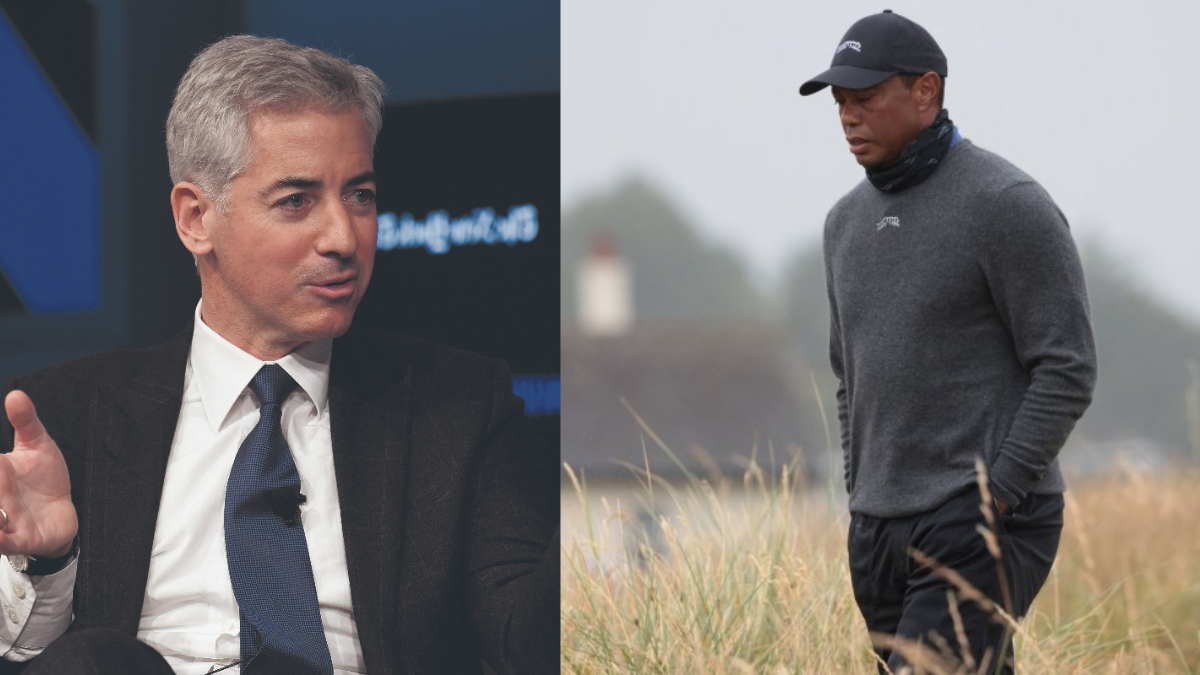
Bill Ackman and Tiger Woods compared: net worth, politics, sponsors, investments, and what each can teach you about building wealth and a lasting brand. Includes answers to the most-asked questions.
Introduction: Why “Bill Ackman and Tiger Woods” Matters
Few pairings in the wealth-and-influence conversation are as revealing as Bill Ackman and Tiger Woods. One is a hedge fund manager who made his name on high-conviction, often public bets. The other is the most decorated golfer of his generation, who turned athletic dominance into a global business empire. Their paths rarely overlap, yet people keep searching for them together, usually because they’re comparing wealth, political visibility, brand power, or the way each handles risk.
This guide takes that comparison seriously. It isn’t built on a claimed partnership between the two. It looks at what each man represents, how each built and protects his fortune, and what ordinary readers, investors, entrepreneurs, and sports fans can learn from setting them side by side. It also answers four questions people ask often: Is Bill Ackman a Trump supporter? Is Tiger Woods richer than Trump? Who is Tiger Woods‘ biggest sponsor? What is Bill Ackman’s biggest holding?
A note on accuracy: net worth estimates, portfolio weights, and sponsorships change. Treat the figures here as approximate and check Forbes, Bloomberg, and Pershing Square’s regulatory filings for current numbers.
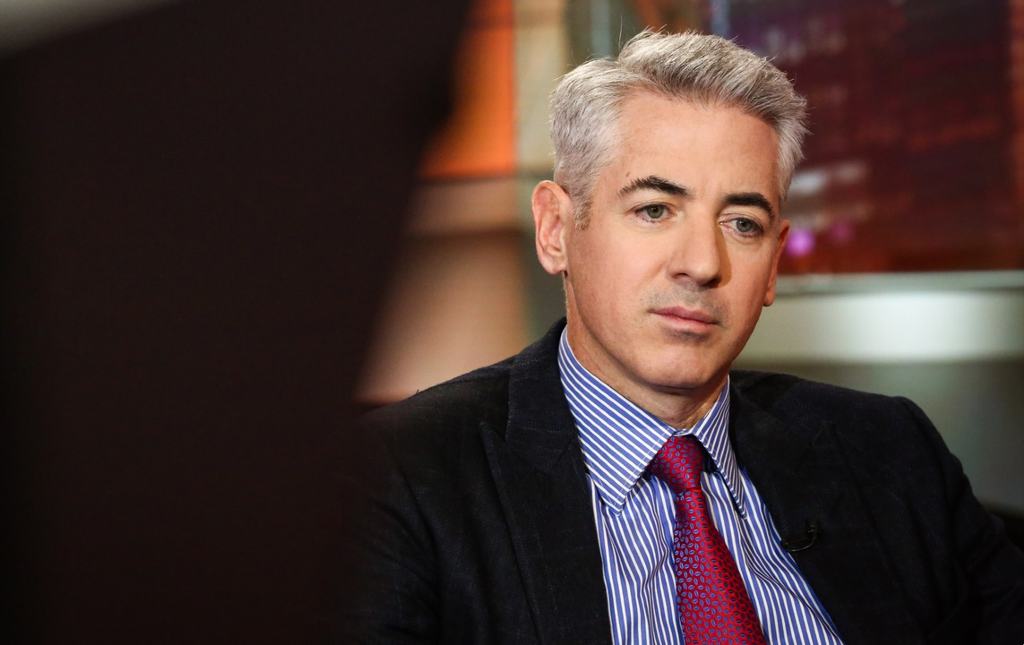
Who Is Bill Ackman? The Activist Investor Behind Pershing Square
Bill Ackman is the founder and CEO of Pershing Square Capital Management, launched in 2004. He is known for concentrated portfolios, typically a dozen or fewer large positions, and for taking those positions public with detailed presentations and media appearances.
Career Highlights
- Activist campaigns: Ackman pushed for changes at companies like Canadian Pacific Railway, where his involvement is widely credited with a major turnaround.
- The Herbalife short: His multibillion-dollar bet against Herbalife became one of the most publicized investor feuds in recent history, with activist Carl Icahn on the other side.
- The 2020 hedge: Early in the COVID-19 crash, Ackman bought credit default swaps as protection, then reversed into equities, reportedly netting roughly $2.6 billion on the trade.
- Setbacks: The Valeant Pharmaceuticals investment was a costly, high-profile loss, a reminder that concentration cuts both ways.
Ackman’s net worth has been estimated in the high single-digit billions of dollars in recent years, largely tied to Pershing Square’s performance and fee income.
Who Is Tiger Woods? From Prodigy to Global Business Icon
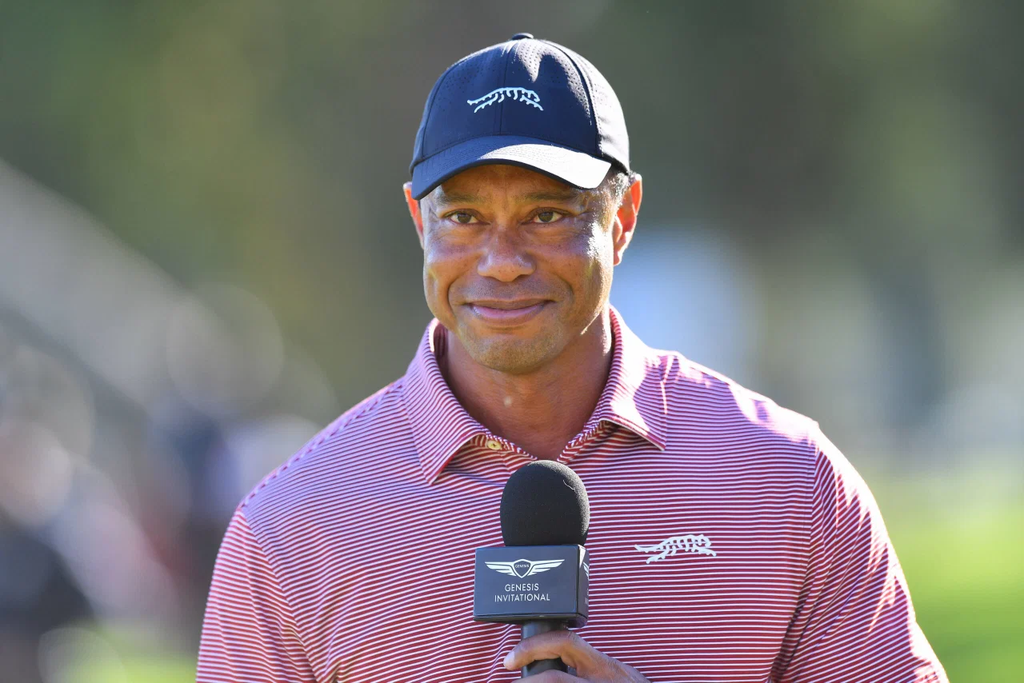
Tiger Woods turned professional in 1996 and quickly redefined golf. He has won 15 major championships, tied with Sam Snead for the most PGA Tour wins (82), and became the first athlete in the sport’s history to be seen as a billion-dollar brand.
Beyond the Course
Woods’s earnings have long outpaced prize money. Endorsements, course design, and equity-style ventures built a fortune that Forbes has put at roughly $1.3 billion. His comeback at the 2019 Masters, after multiple back surgeries and a serious 2021 car accident, reinforced his image as an athlete who defines resilience. His business footprint now includes TGL, the tech-driven indoor golf league he co-founded with Rory McIlroy, and his Sun Day Red apparel line.
Bill Ackman and Tiger Woods Compared: Wealth at a Glance
On paper, Ackman is the wealthier of the two, but the nature of their wealth differs sharply.
| Bill Ackman | Tiger Woods | |
| Primary source of wealth | Investment fund fees and returns | Endorsements, prize money, business ventures |
| Approx. net worth (estimates vary) | High single-digit billions | Around $1.3 billion |
| Wealth volatility | Tied to market performance | Tied to brand strength and health |
| Public persona | Outspoken, active on social media | Private, controlled communication |
The Practical Takeaway
Ackman’s wealth compounds through capital allocation. Woods’s wealth depends on a personal brand that required decades of sustained performance and image management. Both are concentrated, and concentration is the shared thread you’ll see throughout this guide.
Is Bill Ackman a Trump Supporter?
This is one of the most searched questions about Ackman, and the answer has evolved.
Ackman was historically seen as a Democratic-leaning donor and voiced support for several Democratic causes in earlier years. In 2024 he became a vocal critic of the Biden administration and of what he described as the direction of the Democratic Party. In July 2024, he publicly said he would support Donald Trump in that year’s presidential election. His reasons centered on the economy, immigration, and the Middle East, and he framed the choice as one he came to reluctantly.
How to Read This
Ackman uses his public platform on X (formerly Twitter) to take positions on politics, universities, and business. If you follow his commentary, treat it as the view of a wealthy investor with his own interests and convictions, not as a neutral analysis. Political positions can also shift over time, so check recent statements instead of relying on a single headline.
Is Tiger Woods Richer Than Trump?
No. By most mainstream estimates, Donald Trump’s net worth is several times Tiger Woods’s. Forbes has placed Trump in the mid-single-digit billions, while Woods sits around $1.3 billion. Both figures move with market conditions and valuation methods, especially Trump’s, which depends heavily on real estate valuations and the value of his media and crypto-related holdings.
Why the Gap Exists
Woods earned money from a career that peaked in a defined window and from licensing his name. Trump’s fortune is anchored in real estate, branding, and other business assets that can appreciate over decades. Athletes’ earnings tend to be front-loaded, while asset owners can compound for much longer. That is the simplest explanation for why one of the greatest athletes in history still trails a developer-turned-politician on the rich lists.
Who Is Tiger Woods’ Biggest Sponsor?
For nearly three decades the answer was Nike. The partnership began in 1996 and became one of the most valuable athlete deals in history, helping define both Woods’s image and Nike’s golf business. In January 2024, Woods and Nike announced they were ending the relationship.
What Replaced It
Woods launched Sun Day Red, an apparel and footwear brand, in partnership with TaylorMade, which also supplies his clubs. Other long-running partners have included Rolex, Bridgestone (golf balls), and Monster Energy, among others. Because contract terms are rarely public, “biggest” is hard to pin down today. Historically it was Nike, and currently the TaylorMade-linked Sun Day Red venture is the most strategically significant, since Woods has an ownership stake in the brand rather than just a fee.
Practical Example
The shift from Nike endorser to Sun Day Red owner shows a common wealth-building move: graduating from being paid to promote a brand to owning equity in one. If you’re building a personal brand in any field, that is the direction to aim for.
What Is Bill Ackman’s Biggest Holding?
This answer changes, because Pershing Square rebalances and discloses positions quarterly through SEC 13F filings. Over the past several years, the portfolio has been anchored by names such as Uber, Brookfield, Alphabet (Google), Hilton, Chipotle, Restaurant Brands International, and Howard Hughes, plus long-running positions in Fannie Mae and Freddie Mac. In recent disclosures, Uber and Brookfield were among the largest weights, but the ranking can shift by quarter.
How to Check the Latest
- Search for the most recent Pershing Square Capital Management 13F on the SEC’s EDGAR database.
- Sort by position value to see the largest holding.
- Compare against Pershing Square Holdings’ investor reports, which often describe the thesis for each position.
Remember that 13F filings are delayed and cover only certain U.S.-listed securities, so they don’t show the full picture, including derivatives and hedges.
Lessons in Risk and Reputation: What Both Men Teach
Different fields, similar principles. Here are practical takeaways drawn from each career.
Concentration Builds Wealth and Risks It
Ackman’s few-big-bets approach produced huge wins and the painful Valeant loss. Woods’s brand was concentrated in one person’s health and image, which became a vulnerability during injuries and public controversies. If you’re investing or building a business, ask what single point of failure could undo your gains.
Public Visibility Is a Double-Edged Tool
Ackman’s open style draws attention to his positions, which can move markets in his favor but also invites criticism and scrutiny. Woods historically limited public commentary, protecting his image but leaving fewer ways to shape the narrative when things went wrong. Choose your level of visibility deliberately.
Resilience Is an Asset
Both men have recovered from serious setbacks, Ackman from major trading losses and Woods from injuries and a near-career-ending accident. Resilience doesn’t guarantee success, but people who stay in the game have more chances to benefit when conditions improve.
What Investors and Fans Can Do With This Information
Reading about billionaires is more useful when you turn it into action. A few practical steps:
- Follow disclosures, not just headlines. Read Pershing Square’s investor letters and SEC filings. They contain more reliable information than social media summaries.
- Don’t copy trades blindly. Ackman’s positions reflect his fund’s size, time horizon, and ability to engage management. A small investor can’t replicate that, and delays in 13F data mean prices have often moved before you see a filing.
- Study brand ownership. Compare Woods’s Nike era with Sun Day Red to understand the value of owning equity.
- Diversify more than they do. Billionaires can afford concentration. Most people can’t.
This article is for general information and isn’t financial advice. Consider speaking with a licensed financial professional before making investment decisions.
Conclusion
Bill Ackman and Tiger Woods have little in common on the surface. One works in boardrooms and spreadsheets, the other in fairways and endorsement deals. Yet looking at them together shows how modern wealth is built: through concentrated bets, strong personal brands, careful control of public image, and the ability to recover from setbacks.
To recap the key answers: Ackman publicly said in 2024 that he would support Trump. Tiger Woods is not richer than Trump by standard estimates. Woods’s biggest sponsor for decades was Nike, with TaylorMade and Sun Day Red now central. And Ackman’s largest holding shifts quarter to quarter, with Uber, Brookfield, and Alphabet among the biggest recent positions. Verify the latest numbers before you rely on any of them.