
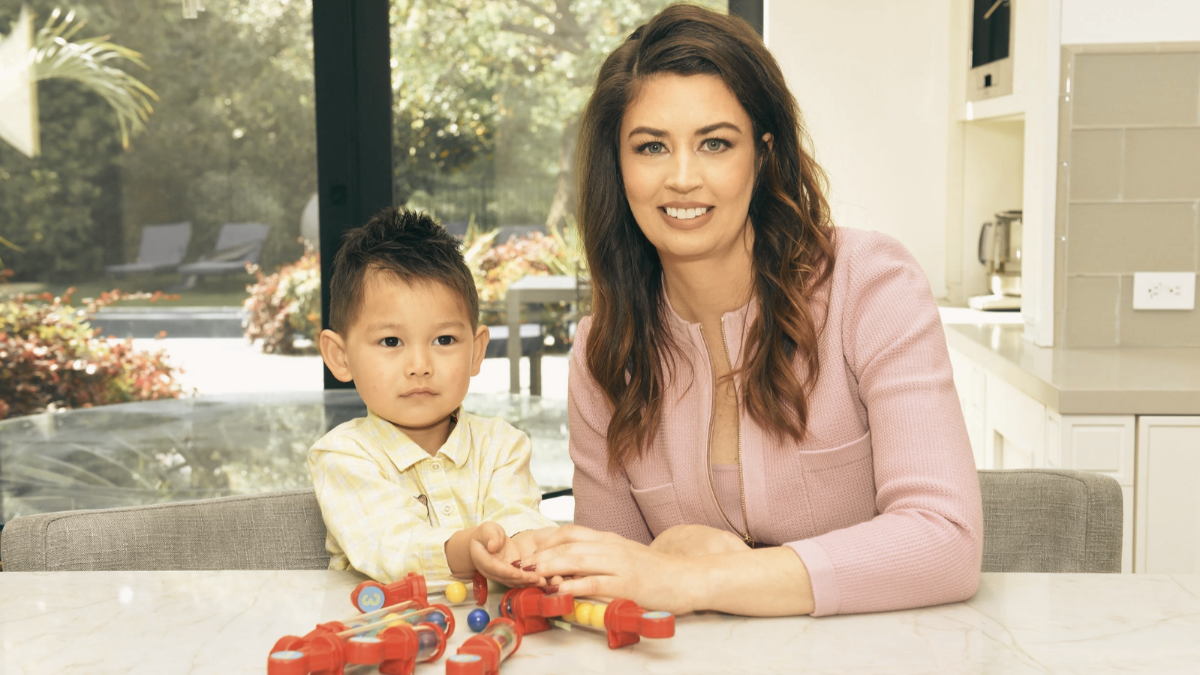
Looking into the court case Kinder Ready Elizabeth Fraley? This guide covers the reported defamation lawsuit, the timeline, what is verified versus rumor, and how to check court records yourself.
Introduction: Why This Topic Matters
Parents choosing an early-learning program research the people behind it, and a search for a founder’s name often turns up a “court case.” The phrase court case Kinder Ready Elizabeth Fraley now draws steady search interest, and the pages answering it vary a lot in quality. Some are careful. Others are thin, repetitive, or contradict each other.
Getting this right matters for three reasons. A lawsuit is not a verdict, and a filing is not a finding. Misreading either can unfairly damage a small education business or mislead a family. And knowing how to read court information is a skill that helps with any provider you research, not just this one.
This guide covers the reported background, the timeline as sources describe it, the points where sources disagree, and a practical method for checking primary records. Nothing here is legal advice, and you should treat every claim as provisional until you have checked it against official records.
Who Is Elizabeth Fraley and What Is Kinder Ready?
Public descriptions identify Elizabeth Fraley as the founder and CEO of Kinder Ready, Inc., an educational consultancy and kindergarten readiness program based in Santa Monica, California. Another source reports that she holds a Master’s degree in Education from Boise State University and has over a decade of experience in early childhood education.

Kinder Ready positions itself around kindergarten readiness, tutoring, and guidance for families choosing schools. Promotional articles on news-style sites describe a focus on early literacy, numeracy, and social-emotional skills. Those pieces read as marketing, so treat them as the company’s own framing and not as independent evaluation.
A Name Collision to Watch For
Searching “Elizabeth Fraley” and “court” also brings up a Dallas, Texas trial attorney with the same name who speaks at legal education seminars and has co-authored a Texas commercial law treatise. That person is a lawyer who appears in courts, not the Santa Monica educator. Mixing the two up is an easy mistake and a harmful one.
What Is the Court Case Kinder Ready Elizabeth Fraley?
The most detailed account comes from a legal-news aggregator. It describes a defamation lawsuit filed on October 9, 2023, in Los Angeles County Superior Court by Elizabeth Fraley, another individual, and Kinder Ready, Inc. against two defendants. The same source says the filing was categorized as “Personal Injury – Other Personal Injury” and assigned to a judge in the Santa Monica Courthouse.
In plain terms, the plaintiffs were the business side, and the claim concerned alleged reputational harm from online statements. Other sites tie the dispute to social media posts, with headlines referring to Instagram. That label comes from secondary sources, so confirm it against the actual complaint before repeating it.
Defamation in Brief
Defamation generally means a false statement of fact, communicated to others, that harms someone’s reputation. Opinion, hyperbole, and true statements are usually not defamatory. These cases can also face early challenges, including California’s anti-SLAPP procedure, which lets defendants ask a court to dismiss suits aimed at speech on public matters. Procedural outcomes in these cases often say little about whether the underlying statements were true.
Timeline of the Reported Events
According to one account, there were two separate matters involving the same defendant:
- March 16, 2022: Elizabeth Fraley filed a separate harassment case against one individual at the Stanley Mosk Courthouse. The same source says it was disposed of after amended requests were denied.
- October 9, 2023: the defamation complaint was filed in Santa Monica against that individual and a second defendant.
A different site notes that details of the earlier filing are limited and suggest a longer history of personal disputes before the defamation lawsuit emerged. That is an interpretation, not a documented fact. A harassment filing and a business defamation claim can have very different legal footing.
Why Timelines Get Distorted
Aggregator sites often compress dates, merge separate cases, or recycle one another’s text. If two pages share the same phrasing, they probably came from one origin and are not independent confirmation. Weight a claim by whether it traces back to a court record, not by how many sites repeat it.
How the Case Was Reportedly Resolved
Sources say the defamation matter ended without a trial. One report describes it as dismissed. Another states that because the defamation case was resolved without a substantive court ruling, there are no official findings that Kinder Ready engaged in wrongdoing. A third notes that Kinder Ready, Inc. continued operations after the case was dismissed.
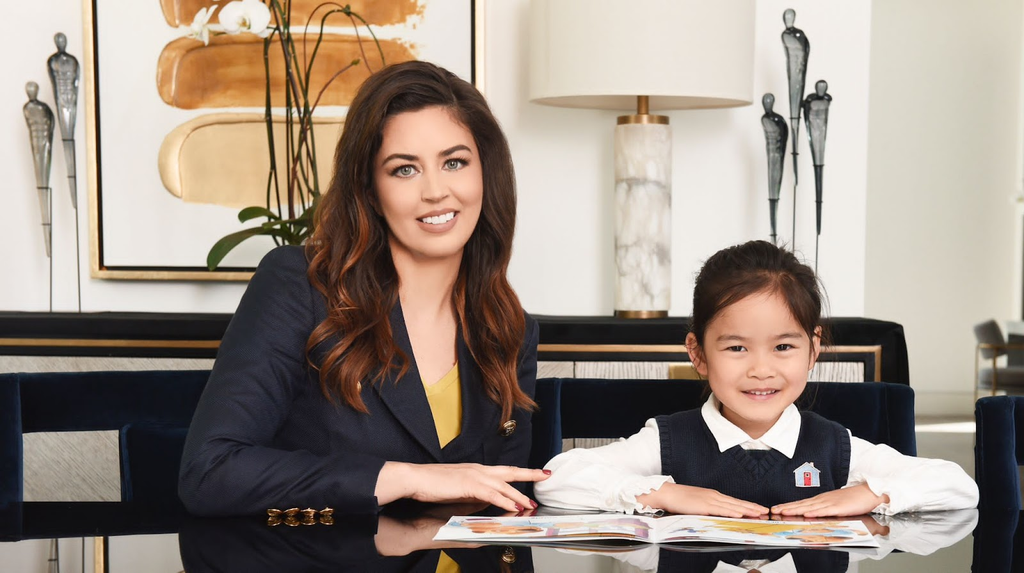
What “Dismissed” Does and Doesn’t Mean
Dismissal can happen for many reasons, and some say nothing about who was right:
- Voluntary dismissal: the plaintiff withdraws, sometimes after a settlement.
- Dismissal with prejudice: the claim cannot be refiled, which is a more final outcome.
- Dismissal without prejudice: it may be refiled.
- Procedural dismissal: for example, missed deadlines or service problems.
- Granted motion: such as an anti-SLAPP motion, which does carry a legal finding.
Only the docket tells you which one applies. Secondary articles frequently omit this detail, and it changes the meaning of the outcome considerably.
The Conflicting “2026 Contract Dispute” Claims
One site claims the court case involves civil litigation over private tutoring services and contract terms in 2026, with parents and business associates raising claims about service agreements and fee retention. This conflicts with the defamation narrative, and the page names no case number, court, or parties. It reads like templated SEO content.
I could not corroborate this claim with any court record or reputable news report, so treat it as unverified. A claim of active litigation against a business is serious. Without a docket number, a named court, or a primary document, you should not rely on it or repeat it.
How to Spot Weak Case Coverage
- No case number or courthouse is named.
- Generic phrases like “private litigants” stand in for real parties.
- The keyword appears unnaturally often in the headings.
- The same text appears across several unrelated domains.
- No link points to a court record.
Public Perception and Reputation Impact
Even a dismissed suit can leave a search footprint. The query itself shapes impressions: a parent who types “court case” next to a founder’s name may assume the worst before reading anything.
This works both ways. Businesses sometimes file defamation suits to protect a reputation, and critics sometimes argue such suits discourage speech. Which framing is fair depends on facts that only the record and the participants can supply. Neutral readers should hold both possibilities open.
A Practical Example
Imagine two parents. One reads a headline mentioning “harassment” and “lawsuit” and decides to skip the program. The other finds the docket, sees that the plaintiffs filed and the case closed without a ruling, then reads reviews and requests a trial session. The second parent’s conclusion rests on evidence about the actual service. The first parent rests on a keyword.
How to Verify Court Records Yourself
You do not have to trust any blog, including this one. Los Angeles County Superior Court offers online case access for civil matters. A careful check looks like this:
Step-by-Step Verification
- Gather identifiers. Use the party names, the filing year, and the courthouse (Santa Monica for the 2023 filing, per the reports above).
- Search the court’s civil case index. Look up the case by party name or case number.
- Read the register of actions. This lists every filing and ruling in order.
- Find the disposition. Look for the entry that ended the case and whether it says “with prejudice,” “without prejudice,” or names a granted motion.
- Read the key documents. The complaint states the allegations. Any order states what the judge decided.
- Note what is missing. Settlements are often confidential, and sealed material will not appear.
If you cannot find a case, the court clerk’s office can help. For anything consequential, consult a licensed California attorney instead of relying on summaries.
Evaluating an Early-Learning Provider Beyond the Headlines
A court record is one data point. The factors that bear most of your child’s experience sit elsewhere.
Questions That Matter More
- Licensing and compliance: Does the program hold any required state licenses or registrations? Is it subject to inspection records you can request?
- Staff qualifications: What are the teachers’ credentials and experience?
- Transparency in contracts: Are fees, refunds, and cancellation terms written clearly?
- References: Can current and former families speak with you directly?
- Trial experience: Will they let you observe a session before you commit?
Sources say there are no regulatory actions tied to quality of education, safety, or compliance. That is a claim from one secondary site, so check it with the relevant licensing authority yourself.
Responsible Reading and Sharing of Legal News
People who write or share about lawsuits carry some responsibility. Naming individuals in connection with legal disputes can affect their lives and livelihoods, and misstating a case can itself create legal exposure.
Best Practices for Writers and Readers
- Distinguish allegations from findings.
- State the procedural posture: filed, dismissed, settled, or judged.
- Link to primary records where possible.
- Avoid characterizing anyone’s motives.
- Correct errors promptly when they are pointed out.
This standard applies equally to the plaintiffs and the defendants in the reported case. Both sides are private individuals and a small business, not public officials.
Frequently Asked Questions About the Case
Was Kinder Ready found liable for anything?
No source I found reports a judgment against Kinder Ready or Elizabeth Fraley. The reported case was one the business side filed, and it was reportedly dismissed.
Is there a current lawsuit against Kinder Ready?
A single low-quality site claims an active 2026 contract dispute, but it gives no verifiable details. I found no corroboration, so it should be treated as unconfirmed.
Is the Elizabeth Fraley in the news the same as the Dallas attorney?
Not according to the available descriptions. The Santa Monica education founder and the Dallas trial lawyer appear to be different people who share a name.
Does a dismissed case mean the claims were false?
No. Dismissal can result from many procedural or strategic causes. Only the specific disposition on the docket indicates what it means.
Conclusion
The court case Kinder Ready Elizabeth Fraley searches point to a reported 2023 defamation suit in Los Angeles County Superior Court, preceded by a 2022 harassment filing, and, according to available accounts, ended without a ruling on the merits. Beyond that, the information is thin. Claims of a 2026 contract dispute are unverified, and much of the coverage comes from sites that recycle one another’s text.
Read the filings, understand what a dismissal does and does not signal, and weigh any lawsuit alongside licensing records, parent references, and a firsthand look at the program. A search result is where your research begins, and the primary sources are where you should finish it.